// Industries / Healthcare & Life Sciences
Digital systems for regulated healthcare ecosystems
Interoperable health platforms, patient-centered digital journeys and responsible AI — built for the operational and regulatory demands of healthcare.
// OUR DIFFERENTIATOR
Healthcare engineering where the stakes are highest.

FHIR-native from the start
Healthcare data interoperability is not a technical problem, it is a patient outcomes problem. Sciensa builds FHIR-native from the start because retrofitting interoperability costs more than the original build. Healthcare digitization can create $1 trillion in value by 2030. (McKinsey Health Institute (2025))
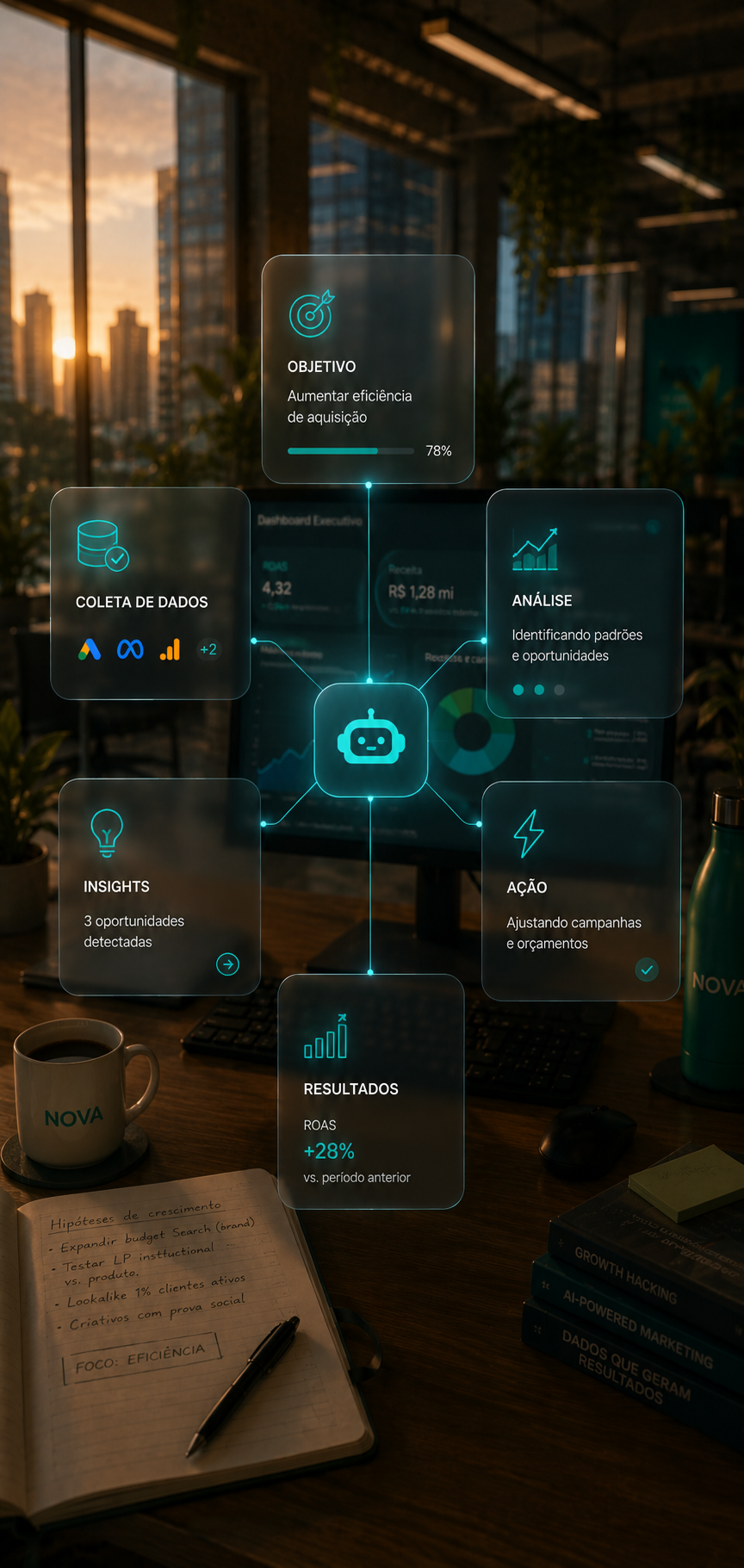
Responsible AI for clinical environments
Clinical AI requires a different standard of evidence than enterprise AI. Sciensa's responsible AI framework includes demographic fairness audits, uncertainty quantification and mandatory human-in-the-loop protocols for any clinical decision support deployment. (Accenture (2025))

// WHAT WE DELIVER
Engineering for healthcare.
From EHR integration to AI diagnostics, built for regulated care environments.
Digital Health Platforms
Telemedicine, patient portals and digital health journeys built on FHIR standards with LGPD and HIPAA compliance at the core.
// FAQ
Frequently asked questions.
FHIR (Fast Healthcare Interoperability Resources) is the global standard for exchanging clinical data via APIs. It enables EHR systems, health plans, hospitals and apps to share patient data securely and in a standardized way.
Clinical AI directly affects patients' lives. Responsible AI in healthcare includes: explainability for clinicians, demographic bias testing, mandatory human oversight in diagnostics and traceability of every recommendation.
Health Information Exchange (HIE) platforms enable secure exchange of clinical data between independent healthcare organizations, solving data fragmentation where a patient's history is scattered across multiple systems.
AI can optimize scheduling, bed management, patient triage and clinical documentation automation, freeing healthcare professionals for direct patient care.
The main ones are: LGPD (sensitive health data protection), CFM (telemedicine regulation), ANVISA (software as medical device) and the Health Ministry's RNDS standards for national interoperability.
Ready to modernize your health platform?
Talk to our healthcare engineering team about your digital health challenges.